
Checking Criminal History in Yuma
Begin with the kind of event, not just a name. A police narrative stays with the City of Yuma. A city ordinance matter stays with Yuma Municipal Court. A state misdemeanor or felony moves to Yuma County Combined Court in Wray. The CBI Internet Criminal History Check adds a Colorado-wide name search, but it does not replace the city report or full court file.
- Ask whether Yuma Police, the sheriff, or Colorado State Patrol handled the event.
- Give the city clerk a date, place, report number, involved name, and exact record sought.
- Check Yuma Municipal Court when the citation alleges a city charter or ordinance violation.
- Use Combined Court for a state charge and the county booking channel for custody details.
- Use CBI ICHC for the later statewide arrest cycle and reported disposition.
A blank result is not proof that no record exists. The wrong custodian, filing delay, a name mismatch, or a sealed matter can all explain it.
Yuma Criminal Records by Scale
The 2020 Census counted 3,456 people in Yuma, making it the county's largest incorporated place. The county total was 9,988. Small raw counts can produce sharp percentage swings, so a city crime trend needs a stated year, agency, offense definition, and measure. Arrests are not the same as incidents or offenses.
The Census city and town data supplied the local ranking used here.
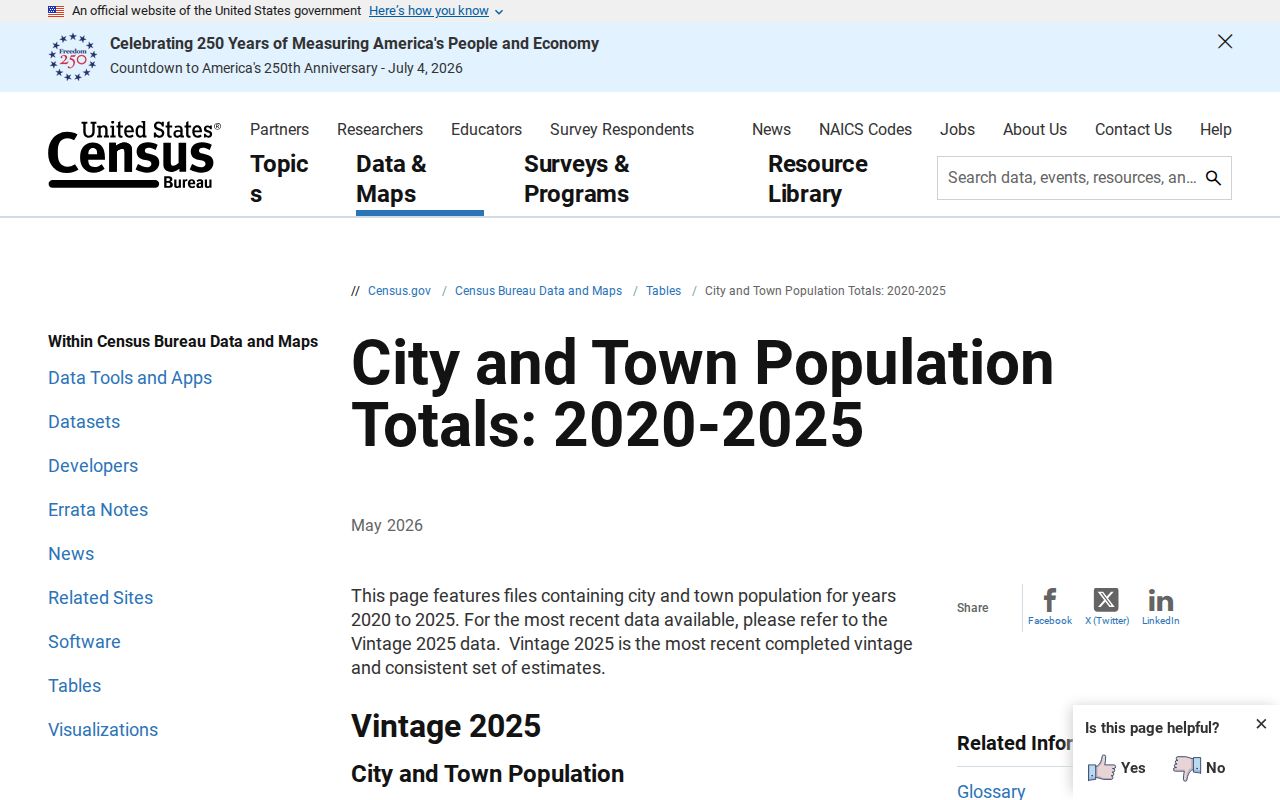
That population context helps readers judge Yuma statistics without treating one small annual change as a lasting crime pattern.
Yuma Police Department Records
Yuma Police is a separate city agency. Its incident and arrest reports do not merge into one county-wide narrative pool. The city clerk is the open-record custodian and handles retention and requests. City Hall is at 320 South Main Street, Yuma, CO 80759. The main number is 970-848-3878, and published weekday hours are 9:00 a.m. to 4:00 p.m.
Use the Yuma city clerk and treasurer channel as the starting point because the research found no dedicated police-report form or public police database. State the report or citation number if known, the event date and place, involved person, requested media, contact details, and preferred delivery method. Ask the clerk to confirm current fees before ordering.
The official City of Yuma website shows the local government context for those records.
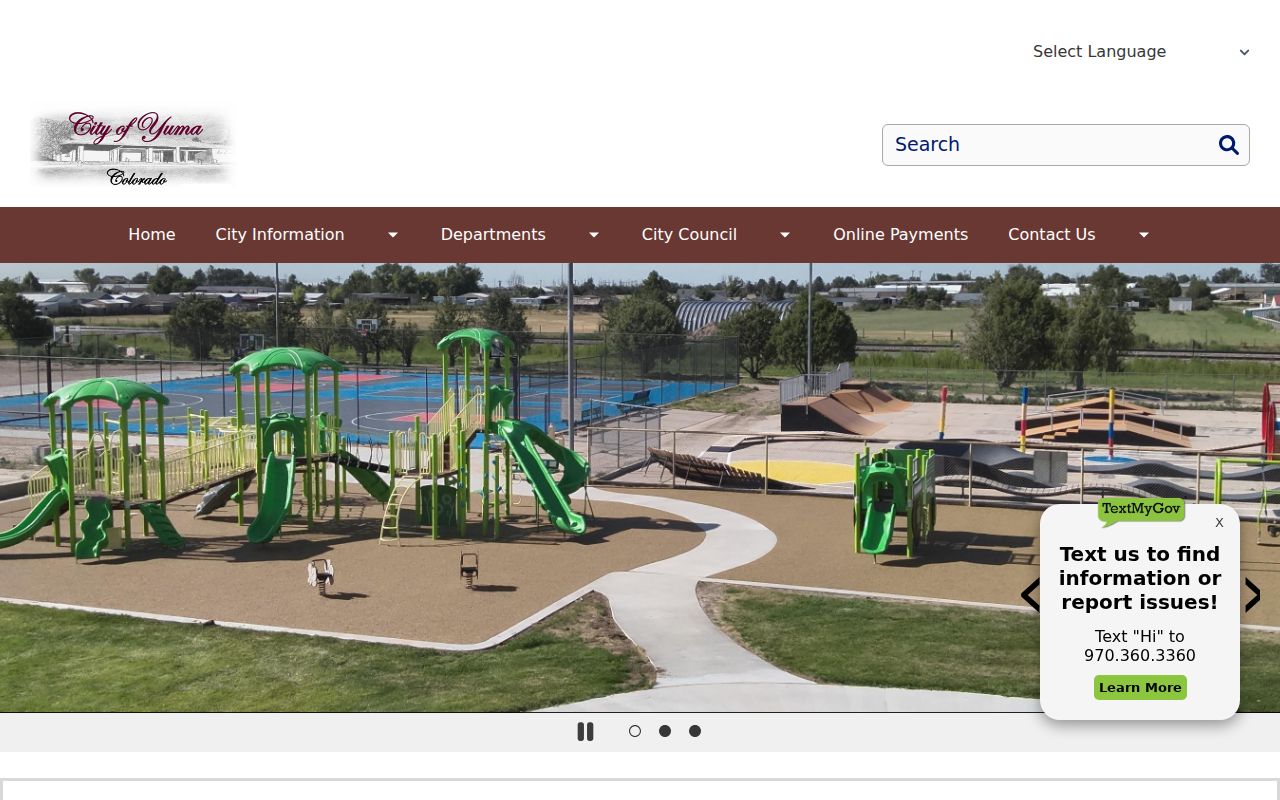
The city page is useful for locating the clerk, but it is not an arrest blotter or a municipal case search.
No Yuma Arrest Blotter
No reliable city arrest log or police app was confirmed. That gap does not erase the record. Contact Yuma Police through the clerk for the report, then ask the booking custodian about current or recent custody. Search the court only after enough time has passed for a filing.
The official Yuma County Sheriff site is the county contact layer when a city arrest leads to county custody or a sheriff record.
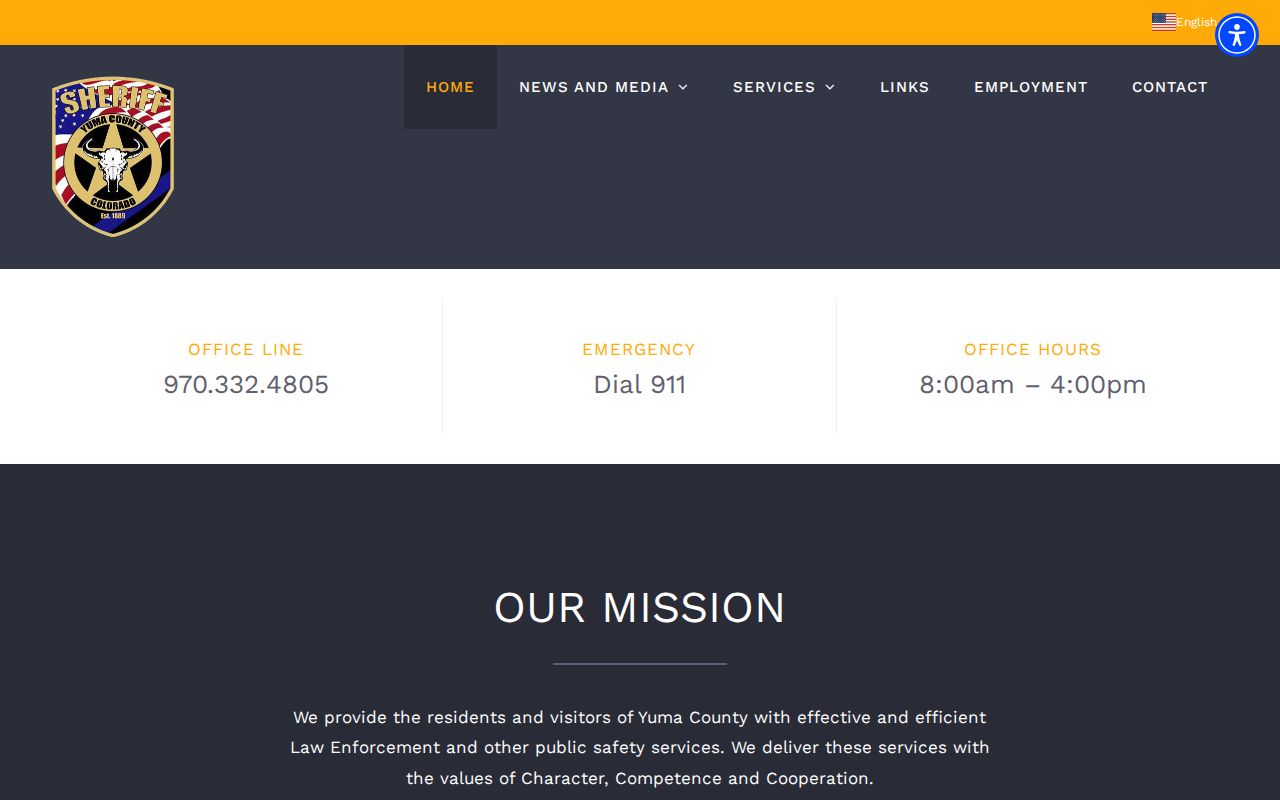
This route keeps the city police report distinct from the booking record, which may list only charges at intake.
Note: Search results for Yuma often surface Arizona pages; Colorado offices use 970 telephone numbers and Colorado law.
Yuma Arrests and Bookings
A Yuma arrest can create several files. Police make the incident and arrest report. A jail creates intake and custody fields. Fingerprints may create a CBI arrest cycle. The prosecutor may then file a different charge, or no charge, and the court records the result. An arrest alone is not a conviction.
The sheriff's jail page currently directs inquiries about people housed at the Washington County Justice Center in Akron. Its safe access chain includes MobilePatrol, the Yuma inmate-information number at 970-332-0923, the sheriff at 970-332-4805, and Washington County at 970-345-2244. Use the holding agency to verify present custody.
The official county jail page documents this out-of-county housing route.
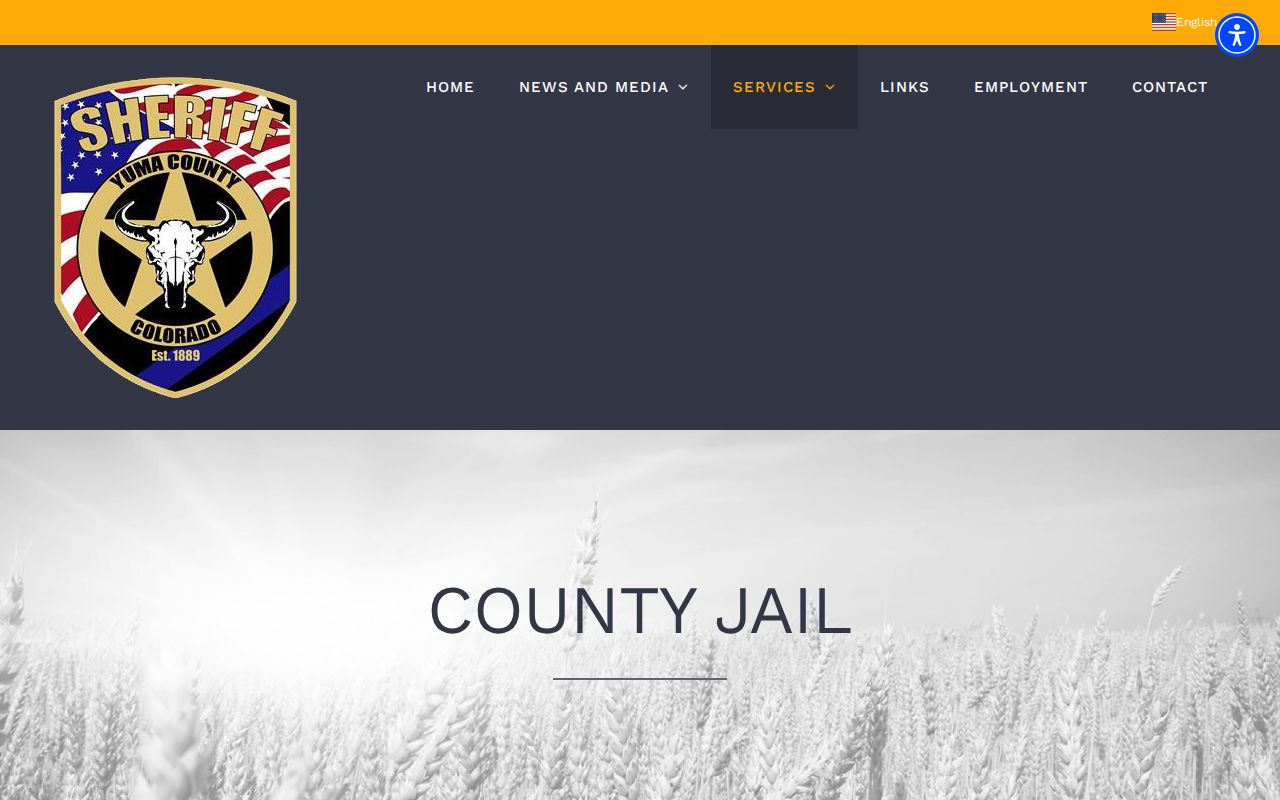
That housing notice explains why a Yuma arrest may lead to an Akron custody check even though the report began inside Yuma.
Two Yuma Criminal Courts
Yuma Municipal Court is not Yuma County Court. The shared word causes a common records error. Municipal Court hears alleged violations of the city charter and ordinances. County Court in Wray handles state misdemeanors and traffic matters, while District Court handles felonies. Both state courts operate through Combined Court.
| Record | Custodian | Use |
|---|---|---|
| City ordinance case | Yuma Municipal Court | Local citation and proceeding |
| State misdemeanor | Yuma County Court | State charge, docket, outcome |
| State felony | Yuma District Court | Felony filings and disposition |
Moving a state case to Wray does not move the underlying Yuma Police narrative. Request each file from its own custodian.
Municipal Court Records in Yuma
The city code creates Yuma Municipal Court for charter and ordinance cases. It also requires a verbatim record of trials and proceedings through an electronic recording device. Ask the city for the public docket entry, disposition, or recording needed, and describe the case with enough detail to locate it.
| Court Name | City of Yuma Municipal Court |
|---|---|
| Case Types Heard | City charter and ordinance violations |
| Case Lookup Channel | City clerk request or clerk counter; no public case lookup confirmed |
| What the File Shows | Citation, proceedings, disposition, and an electronic trial record where applicable |
| Copies & Fees | Confirm the current format, fee, and delivery terms with the city clerk |
The city's PSN payment center includes “Pay the Police.” An eCheck costs $1.10, while pinless debit or credit costs 2.90% plus $0.50 for a transaction under $100. Payment does not reveal a case docket.
Yuma Police Video Requests
Body-camera or other police media belongs with the agency that created it. Give the clerk a narrow date and time, location, report number, involved person, and media type. That detail helps staff identify the responsive file and assess required review or redaction.
Do not borrow Wray's published media prices. Wray charges for a thumb drive, research, and redaction under its own schedule, but the research found no stable Yuma fee schedule for those items. Yuma requesters should obtain a live estimate before asking for production.
Active-investigation material, juvenile records, victim details, and safety-sensitive content may be withheld or redacted. Ask for the releasable portion if the complete item cannot be produced.
Where Yuma Records Go
A state case can begin with Yuma Police, move through a county booking process, and reach Combined Court in Wray. The final disposition then may be reported to CBI and linked to the fingerprint-based arrest cycle. A municipal ordinance matter follows a shorter city path.
Record flow: Yuma Police Department › Yuma County Combined Court › Colorado Bureau of Investigation
For recent events, start at the city and custody source. For filed charges, use the Yuma County criminal court case channel. For an older statewide summary, use CBI. None supplies every report, filing, and custody fact.
The official Wray website provides context for the county-seat end of that path.
The image marks a change in custodian, not a change in which city police agency owns the original report.
Yuma Charges Change by Stage
A booking charge describes the intake stage. The district attorney's filing controls the state court case, and the disposition states what the court resolved. These labels may differ without any record being false.
- Incident report
- The city officer's narrative and evidence record.
- Booking charge
- The suspected offense listed when custody begins.
- Filed charge
- The offense formally placed before the state or municipal court.
- Disposition
- The court's recorded outcome, such as dismissal, plea, or judgment.
If CBI shows an unknown outcome, obtain certified court proof and follow CBI's correction process. A record challenge corrects data; it does not seal a public case.
Yuma Records Across Distance
Yuma lies east of the county seat. That distance matters when the report counter, holding facility, and courthouse are in different places. Telephone and written channels can save a trip, but the request still must reach the right custodian.
The official Town of Eckley site illustrates another eastern-plains local government layer.
City boundaries decide whether Yuma Police or the sheriff created a report, while state-charge court files remain centered in Wray.
Requesting a Yuma Police Report
A useful Yuma request describes one event and one set of records. Start with the date, approximate time, street or location, involved person's name, and report or citation number if known. Then identify the item sought. A request for the incident narrative is different from a request for body-camera video, photographs, dispatch audio, or another electronic file. State the desired delivery method and give current contact information so the clerk can ask a narrow follow-up question or provide a cost estimate.
The city clerk is the records starting point because no dedicated Yuma Police report form was confirmed. This does not mean the clerk personally created the police record. The clerk serves as the city's custodian channel and routes or processes the request under the city's retention and access duties. If the event was handled by the sheriff or Colorado State Patrol, ask the city to confirm that it has no responsive police file, then send a new request to the originating agency. A city payment receipt or ordinance page cannot stand in for that agency confirmation.
Ask for an estimate when the request includes media or a broad time span. Yuma's stable official sources did not publish the same detailed report, thumb-drive, research, and redaction prices that Wray publishes. Do not import Wray's amounts into a Yuma request. If the city quotes a fee, confirm what work and format it covers before authorizing production. A clear scope helps distinguish the search cost from a copy or delivery cost.
When a record contains protected material, the city may review whether a redacted version can be released. Victim identifiers, juvenile information, protected addresses, financial data, and active-investigation details can require limits. A partial release can still answer the basic question about the event. Keep the request, city response, estimate, and delivered file together, since that trail shows which Yuma source was searched and what version was produced.
Finding a Yuma Warrant Record
No verified public Yuma County, Colorado warrant database was found. A possible Yuma warrant therefore requires a custodian check based on the case. For a city ordinance matter, contact Yuma Municipal Court through the city. For a state misdemeanor or felony, use the Combined Court case number and ask the clerk in Wray about public docket information. The sheriff or serving agency may hold related operational data, but that file is not the same as the issuing court's order.
A person addressing their own possible warrant should obtain current appearance or bond instructions from the issuing court or counsel before going to a law-enforcement counter. A stale web entry should not control that decision. After a warrant is recalled or resolved, allow time for the court and law-enforcement systems to update, then verify the change with the issuing court. Sealed warrants, juvenile matters, and confidential investigations are not ordinary public records.
Public Access Rules in Yuma
Police and arrest records fall under the Colorado Criminal Justice Records Act. Release depends on the record type and lawful custodian analysis. Other city records may fall under the Colorado Open Records Act. Court access also follows Judicial Branch rules. Juvenile, sealed, victim, financial, and safety-sensitive details have added limits.
Key Statutes:
CCJRA, CRS 24-72-301 through 309 governs inspection of Colorado criminal justice records.
CORA, CRS 24-72-201 through 206 governs many other public records held by local government.
CRS 19-1-301 restricts juvenile law-enforcement records.
A sealed or restricted result should not be treated as missing data. Confirm the court, agency, case type, and access rule before drawing a conclusion.
Keep the Yuma request, acknowledgment, estimate, and final file description together. If part of a police record is withheld, ask whether a redacted public portion can be released. Dispatch data, video, the narrative, booking details, and court filings may each require a separate request.
Dates explain many apparent conflicts. A booking may appear before the first court event, and CBI may update after disposition data arrives. Compare the event date, case number, agency, and lawful identity fields before deciding that entries concern the same person. A name match alone is not identity proof.
A CBI challenge corrects inaccurate data when supported by court proof. It does not seal a public Yuma case. Colorado generally calls adult relief record sealing, with eligibility based on outcome, offense, waiting period, and later history.